
Start with the problem, not another patch
A ceiling stain tells you where moisture has appeared inside. It doesn't, by itself, identify which roof detail has failed. The timing of a leak, nearby vents or skylights, and previous repair work can all help narrow the investigation.
We assess the affected area and look at how it connects to the rest of the roof. The aim is to understand what needs repairing, rather than simply cover the most visible mark. Tell us whether the leak appears during rain, continues afterwards, or has returned since an earlier repair.
Roof problems we assess and repair
Damaged or missing shingles
Missing, cracked or lifted shingles deserve a closer look. A repair may involve replacing the affected shingles and checking the exposed details beneath them. The condition of neighbouring shingles matters too. A small damaged area on a serviceable roof is a different problem from widespread deterioration.
Flashing and roof penetrations
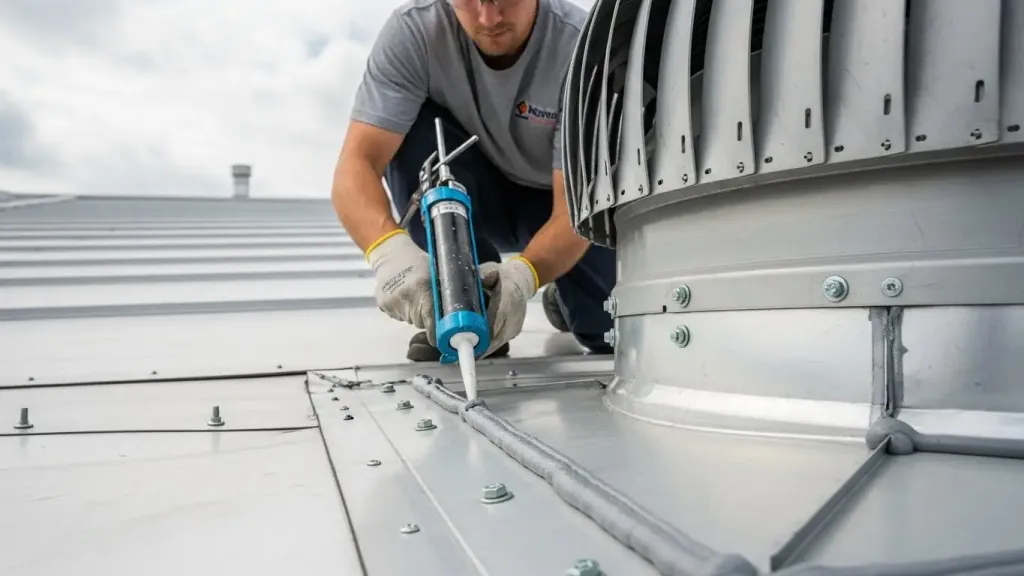
Flashing directs water around roof edges, walls and openings. When these connections loosen or deteriorate, repairing only the surrounding roof surface may leave the original problem unresolved. Our repair scope includes flashing and details around vents and other roof penetrations.
Membrane faults and skylight leaks
Local membrane damage needs a repair suited to the existing roof system. We assess the affected seam, surface or transition and the nearby drainage details. Read about flat-roof repairs and systems for more on low-slope roofs.
Water around a skylight also needs the unit and surrounding roof checked together. The skylight repair and replacement page explains those decisions in more detail.
When a focused repair makes sense
A targeted repair is worth considering when the fault is identifiable, the surrounding materials remain serviceable and the repaired detail can connect properly to the existing roof. The size of the stain alone isn't enough to make that decision.
Recurring problems need more context. Has the same detail been patched several times? Are leaks appearing in different areas? Is the visible damage isolated, or part of broader wear? Where another repair would leave substantial problems unaddressed, we'll explain when roof replacement is more appropriate.
A repair estimate should identify the area being addressed and any limits to the work. Repairing one roof section isn't the same as renewing the entire roof.
What to send with your repair enquiry
Include the property address, the type of roof if known, and a short description of what you've noticed. Photos of interior stains or visible damage can help, but only take them from a safe position. Don't climb onto the roof to prepare an enquiry.
Let us know about previous patches, the approximate roof age and whether water is entering now. For an active leak, call (778) 562-6580 and describe the situation. Availability and the next step need to be confirmed directly.
Roof repair questions
Can you diagnose a leak from photos alone?
Photos are useful background, but they don't show every roof connection or concealed condition. They help start the conversation. The assessment needed to recommend a repair depends on the problem and access to the affected area.
Why has a leak returned after it was patched?
The original cause may still be present, an adjoining detail may also be failing, or the surrounding roof may have deteriorated. Previous repair records help distinguish a repeat fault from a new one. A returning leak deserves reassessment rather than an automatic repeat of the same patch.
Can one section be repaired without replacing everything?
Sometimes. The decision depends on the condition of that section, how it joins the remaining roof and whether the proposed repair addresses the actual fault. We don't assume that every leak requires a replacement or that every roof can be repaired locally.
What happens after the immediate problem is addressed?
Keep a record of the work and report any further moisture. For a roof with other areas of wear, ongoing roof inspections can help identify what should be reviewed next.