
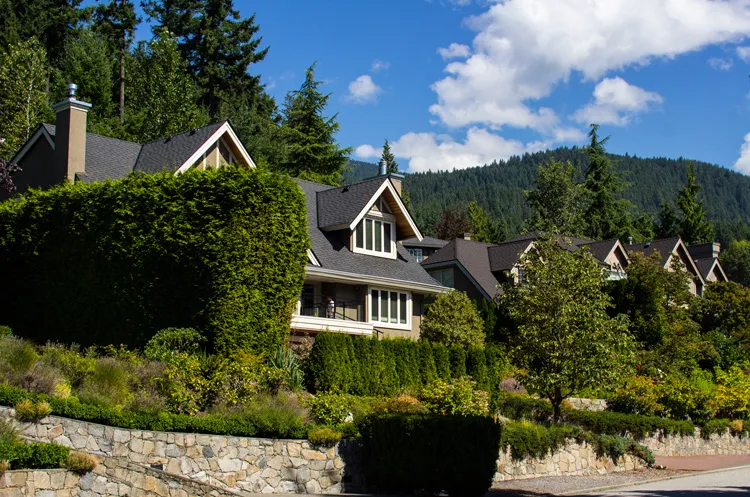
Build on what you know about the property
The Blueridge Community Association describes Blueridge and Seymour Heights together as a community with both long-standing residents and newcomers. For a new owner, roof records may be incomplete. For someone who has lived in the home for years, earlier repairs may be spread across several invoices.
Neither situation needs to prevent an enquiry. Put confirmed work in order and identify the gaps. Our North Vancouver neighbourhood guide helps locate the area, while the repair history helps frame the problem at the individual house.
Record what each repair changed
For a recurring roof leak, a short sequence is more useful than a general statement that the roof has “always leaked.” Note when you first noticed water, what was done and whether the same area became wet again.
Separate a continuing problem from a new symptom elsewhere. A repair might have addressed one fault without assessing another roof section. Conversely, a mark in a nearby location doesn't prove a completely new leak source. Those possibilities need investigation rather than assumptions from the room below.
Photos from earlier dates and the descriptions on invoices can help. Don't add a new date or material name because it seems likely. An honest gap in the record is better than treating a guess as the basis for another repair.
Consider the shingles around the repaired area
Where the roof has shingles, the condition of the surrounding covering matters to a repair decision. Ask whether damage is concentrated in a small area or whether several sections show concerns. A patch should be considered in that wider context.
Our asphalt shingle roofing page explains the system and replacement considerations. A change in colour or an older-looking slope doesn't establish the remaining condition by itself. Likewise, a newer patch doesn't demonstrate that every nearby connection has been addressed.
Decide when a broader review is more useful
If the roof history contains several unrelated repairs, discuss roof inspections and maintenance rather than starting with a predetermined list of patches. Explain whether you need to prioritize current concerns, understand visible condition or plan possible future work.
Agree on what areas the assessment will cover and any written information you need. Areas that cannot be inspected should not be treated as confirmed sound. The purpose is to make the next decision with clearer information, not promise an exact remaining roof life from a brief visit.
Tree exposure or debris can be mentioned where present, but they shouldn't become the default explanation for every Blueridge leak. Report the condition you've observed at your house rather than a general impression of the neighbourhood.
Blueridge homeowner questions
We've just moved to a Seymour Heights address associated with Blueridge. Which information matters first?
Start with the complete address and any roof documents provided with the home. Make clear which dates are confirmed and which came from an informal description. Our coverage enquiry doesn't depend on choosing between the Blueridge and Seymour Heights names.
The last patch stopped the drip for a while. Is another patch the next step?
Not necessarily. Explain the period without symptoms and when they returned. That history helps frame a fresh assessment, but it doesn't establish the cause. Ask why the proposed work differs from, or builds on, the earlier repair.